EDP

Egypt: Economic
Development and Policies

The EDP project aims to provide a comprehensive picture of the Egyptian economy’s evolution over the past decades. Covering multiple areas of the Egyptian economy, such as macroeconomics, finance, tourism and the labour market, the project will explore both challenges and opportunities. 

0 +

Authors

0 +

Experts and Academic Reviewers

0 +

Featured Economic Theme and Sector

Highlight:

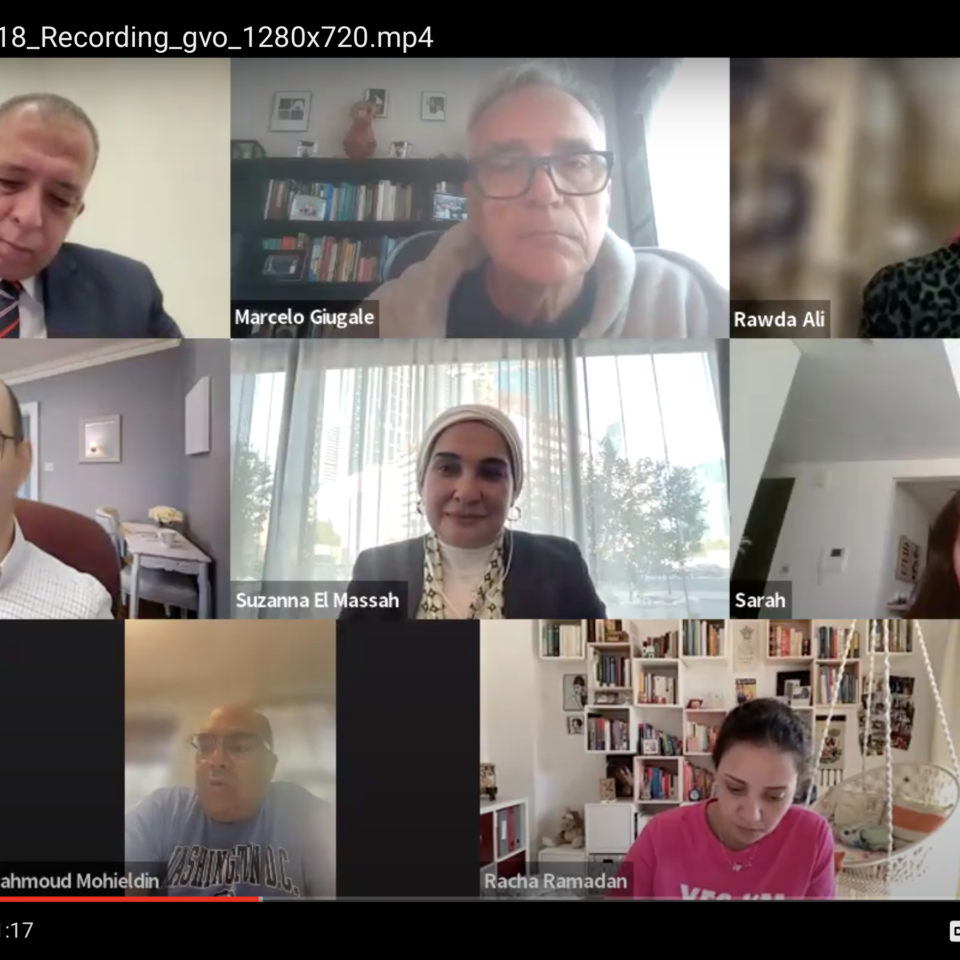
Official Launch of The Oxford Handbook of the Egyptian Economy at the American University in Cairo

The American University in Cairo hosted the official launch of The Oxford Handbook of the Egyptian Economy, with the participation of economists, policymakers, academics and experts, alongside representatives of the government, the Central Bank of Egypt, banks, the financial sector, and international organizations.

The event featured H.E Dr. Ahmed Rostom, Minister of Planning and Economic Development; Dr. Hala El Said, Economic Advisor to H.E President of Egypt, and Former Minister of Planning and Economic Development; Dr. Abdullah Al Dardari, Regional Director for Arab States, United Nations Development Programme; Prof. Mohamed El Erian, the internationally renowned Egyptian economist; Prof. Ehab Abdel Rahman, Provost of the American University in Cairo, on behalf of Prof. Ahmad Dallal, President of the American University in Cairo; Dr. Ashraf El Araby, President of Egypt's Institute of National Planning; Dr. Mohamad Al-Ississ, Dean of the School of Global Affairs and Public Policy at the American University in Cairo; and Mr. Abdel Hamid Abou Moussa, Governor of Faisal Islamic Bank of Egypt. They were joined by a wide array of university professors and faculty members, along with representatives of the National Bank of Egypt, Banque Misr, the United Nations Development Programme, and international institutions.

In his remarks, Prof. Ehab Abdel Rahman, Provost of the American University in Cairo, on behalf of Dr. Ahmad Dallal, President of the University, he praised the project, its concept and academic significance, and the constructive cooperation that accompanied it from the outset, as well as the space it created for discussion, academic collaboration, and the exchange of knowledge and expertise.

For her part, Dr. Rana Hendy, Principal Investigator of the project at the American University in Cairo, addressed the University's role in coordinating and supporting this substantial research undertaking, and the cooperation and coordination it required among the participating researchers and institutions throughout the stages of its preparation. She also acknowledged the support provided by the project's partner and sponsoring institutions, foremost among them Banque Misr, the National Bank of Egypt, the Ford Foundation, the United Nations Development Programme, and Faisal Islamic Bank of Egypt.

In his remarks, Prof. Mahmoud Mohieldin, Professor of Economics at the Faculty of Economics and Political Science at Cairo University and President of the Egyptian Economic Association, traced the journey of preparing The Oxford Handbook of the Egyptian Economy. He explained that the idea took shape when, during his participation in the work of the American Economic Association and the Middle East Economic Association, he encountered economic handbooks published by Oxford University Press on the economies of China, India, and Brazil, which prompted the question of whether a comparable comprehensive reference might exist for the Egyptian economy. From this idea, the project was launched in cooperation with Oxford University Press, developing into a major research effort that drew on the work of some 140 researchers and reviewers.

Mohieldin noted that the project brought together contributions from four generations of economists and researchers, and that the analysis in some chapters of the handbook extends across more than 50 years of the development of the Egyptian economy. This, he said, allows economic transformations and policies to be read within their historical and institutional context, rather than reducing the development of the Egyptian economy to a particular political era or a specific government.

The handbook addresses a broad range of issues and themes, including the political economy of contemporary Egypt; demography; geography and natural resources; governance and institutions; human and social development; the determinants of economic growth; macroeconomic policy; the labour market; sectoral and industrial development; the spatial dimensions of development; poverty, income distribution, the middle class, social policy and welfare; and Egypt's relationship with the global economy, in addition to major trends and the disruptions and future challenges confronting the economy.

These topics were organized into six main parts, divided into 43 chapters published in the book, alongside more than 50 published working papers linked to the research project.

Mohieldin stressed that the significance of The Oxford Handbook of the Egyptian Economy is not confined to documenting the course of the Egyptian economy and its transformations, but extends to drawing lessons from past experiences and policies, and to drawing on the accumulated body of economic knowledge to understand the present and address the challenges of the future, in a manner that supports economic progress and secures prosperity for coming generations.

Following the opening remarks, the handbook's three editors, Prof. Mahmoud Mohieldin, Dr. Marcelo Giugale, and Prof. Racha Ramadan, presented an overview of what the book covers across its various parts and themes, and the most prominent issues and transformations it examines in reading the Egyptian economy and its trajectories of development, extending to future challenges and trends.

This was followed by a panel discussion featuring Prof. Gouda Abdel Khalek, Prof. Hussein Abdel Aziz, Prof. Sherif Kamel, Prof. Heba Nassar, Dr. Khaled Sakr, Prof. Alia El Mahdi, Prof. Khaled Al Wazani, Prof. Hassan Ali, and Dr. Ugo Gentilini, in which participants addressed various dimensions of the issues and themes raised by the handbook, and the readings and analyses it offers of the course of the Egyptian economy, its transformations, and the challenges it faces.

The event concluded with a session moderated by Prof. Hala El Said, with the participation of Dr. Mohamad Al-Ississ, Prof. Mohamed El Erian, and Dr. Abdullah Al Dardari, in which participants discussed the various dimensions of this substantial research project and its importance in enriching economic debate, supporting research and policymaking, and drawing on accumulated experience and knowledge to address the current and future challenges of the Egyptian economy.

الإطلاق الرسمي لـ«دليل أكسفورد للاقتصاد المصري» بالجامعة الأمريكية بالقاهرة

استضافت الجامعة الأمريكية بالقاهرة فعالية الإطلاق الرسمي لـ«دليل أكسفورد للاقتصاد المصري» (The Oxford Handbook of the Egyptian Economy)، بمشاركة اقتصاديين وصنّاع السياسات وأكاديميين وخبراء، وممثلين عن الحكومة والبنك المركزي المصري والبنوك والقطاع المالي والمؤسسات الدولية.

وشهدت الفعالية مشاركة الدكتور أحمد رستم، وزير التخطيط والتنمية الاقتصادية، والدكتورة هالة السعيد، المستشار الاقتصادي لفخامة رئيس الجمهورية ووزيرة التخطيط والتنمية الاقتصادية السابقة، والدكتور عبد الله الدردري، المدير الإقليمي للدول العربية ببرنامج الأمم المتحدة الإنمائي، والدكتور محمد العريان، الاقتصادي المصري العالمي، والدكتور إيهاب عبد الرحمن، وكيل الشؤون الأكاديمية بالجامعة الأمريكية بالقاهرة، نيابةً عن الدكتور أحمد دلال، رئيس الجامعة الأمريكية بالقاهرة، والدكتور أشرف العربي، مدير معهد التخطيط القومي، والدكتور محمد العسعس، عميد كلية الشؤون الدولية والسياسات العامة بالجامعة الأمريكية بالقاهرة، وعبد الحميد أبو موسى، محافظ بنك فيصل الإسلامي المصري، فضلًا عن لفيف من أساتذة الجامعات وأعضاء هيئات التدريس وممثلي البنك الأهلي المصري وبنك مصر وبرنامج الأمم المتحدة الإنمائي والمؤسسات الدولية.

وفي كلمة ألقاها الدكتور إيهاب عبد الرحمن، وكيل الشؤون الأكاديمية بالجامعة الأمريكية بالقاهرة، نيابةً عن الدكتور أحمد دلال، رئيس الجامعة الأمريكية بالقاهرة، أشاد بالمشروع وفكرته وأهميته الأكاديمية، وبالتعاون البنّاء الذي صاحب المشروع منذ بداياته، وما أتاحه من مساحة للنقاش والتعاون الأكاديمي وتبادل المعرفة والخبرات.

ومن جانبها، تناولت الدكتورة رنا هندي، الباحث الرئيسي للمشروع بالجامعة الأمريكية بالقاهرة، إسهام الجامعة الأمريكية بالقاهرة في تنسيق ودعم هذا المشروع البحثي الضخم، وما تطلبه من تعاون وتنسيق بين الباحثين والمؤسسات المشاركة على مدار مراحل إعداده. كما أشارت إلى الدعم الذي قدمته الجهات والمؤسسات الشريكة والداعمة للمشروع، وفي مقدمتها بنك مصر، والبنك الأهلي المصري، ومؤسسة فورد، وبرنامج الأمم المتحدة الإنمائي، وبنك فيصل الإسلامي المصري.

وفي كلمته، استعرض الدكتور محمود محيي الدين، أستاذ الاقتصاد بكلية الاقتصاد والعلوم السياسية بجامعة القاهرة ورئيس الجمعية الاقتصادية المصرية، رحلة إعداد «دليل أكسفورد للاقتصاد المصري»، موضحًا أن فكرة المشروع بدأت عندما اطّلع، خلال مشاركته في أعمال الجمعية الاقتصادية الأمريكية وجمعية الشرق الأوسط الاقتصادية، على أدلة اقتصادية صادرة عن دار نشر جامعة أكسفورد عن اقتصادات الصين والهند والبرازيل، وهو ما أثار التساؤل حول إمكانية وجود مرجع شامل مماثل للاقتصاد المصري. ومن هذه الفكرة انطلقت فكرة المشروع بالتعاون مع دار نشر جامعة أكسفورد (Oxford University Press)، لتتطور إلى مشروع بحثي ضخم استند إلى جهود نحو 140 باحثًا ومراجعًا.

وأشار محيي الدين إلى أن المشروع ضم إسهامات أربعة أجيال من الاقتصاديين والباحثين، وأن تحليل بعض فصول الدليل يمتد إلى ما يتجاوز 50 عامًا من تطور الاقتصاد المصري، بما يسمح بقراءة التحولات الاقتصادية والسياسات في سياقها التاريخي والمؤسسي، بعيدًا عن اختزال تطور الاقتصاد المصري في حقبة سياسية معينة أو حكومة بعينها.

ويتناول الدليل مجموعة واسعة من القضايا والمحاور، تشمل الاقتصاد السياسي لمصر المعاصرة، والديموجرافيا، والجغرافيا والموارد الطبيعية، والحوكمة والمؤسسات، والتنمية البشرية والاجتماعية، ومحددات النمو الاقتصادي، وسياسات الاقتصاد الكلي، وسوق العمل، والتنمية القطاعية والصناعية، والأبعاد المكانية للتنمية، والفقر وتوزيع الدخل والطبقة الوسطى والسياسات الاجتماعية والرفاه، وعلاقة مصر بالاقتصاد العالمي، فضلًا عن الاتجاهات الكبرى وما يعترض الاقتصاد من مربكات وتحديات مستقبلية.

.وقد جُمعت هذه الموضوعات في ستة أجزاء رئيسية، قُسِّمت إلى 43 فصلًا صدرت في الكتاب، إلى جانب أكثر من 50 ورقة عمل منشورة مرتبطة بالمشروع البحثي

وشدد محيي الدين على أن أهمية «دليل أكسفورد للاقتصاد المصري» لا تقتصر على توثيق مسيرة الاقتصاد المصري وتحولاته، وإنما تمتد إلى استخلاص الدروس من الخبرات والسياسات السابقة، والاستفادة من تراكم المعرفة الاقتصادية في فهم الواقع والتعامل مع تحديات المستقبل، بما يسهم في دعم التقدم الاقتصادي وتحقيق الرخاء للأجيال المقبلة.

وعقب الكلمات الافتتاحية، استعرض محررو الدليل الثلاثة، الدكتور محمود محيي الدين، والدكتور مارسيلو جيوجالي، والدكتورة رشا رمضان، ما تناوله الكتاب عبر أجزائه ومحاوره المختلفة، وأبرز القضايا والتحولات التي يناقشها في قراءة الاقتصاد المصري ومسارات تطوره، وصولًا إلى التحديات والاتجاهات المستقبلية.

وتلا ذلك جلسة حوارية شارك فيها كل من الدكتور جودة عبد الخالق، والدكتور حسين عبد العزيز، والدكتور شريف كامل، والدكتورة هبة نصار، والدكتور خالد صقر، والدكتورة علياء المهدي، والدكتور خالد الوزني، والدكتور حسن علي، والدكتور أوجو جنتيليني، حيث تناول المشاركون أبعادًا مختلفة من القضايا والمحاور التي يطرحها الدليل، وما يقدمه من قراءات وتحليلات لمسيرة الاقتصاد المصري وتحولاته والتحديات التي تواجهه.

واختُتمت الفعالية بجلسة أدارتها الدكتورة هالة السعيد، وشارك فيها الدكتور محمد العسعس، والدكتور محمد العريان، والدكتور عبد الله الدردري، حيث تناول المشاركون الأبعاد المختلفة لهذا المشروع البحثي الضخم، وأهميته في إثراء النقاش الاقتصادي، ودعم البحث وصنع السياسات، والاستفادة من الخبرات والمعرفة المتراكمة في التعامل مع التحديات الراهنة والمستقبلية للاقتصاد المصري.

“The Egypt Economic Development and Policies (EDP) project offers a comprehensive view of Egypt's economic landscape, covering its past, present, and prospects. It seeks to illuminate Egypt's economic journey and provide a roadmap for future growth and development.”

Project Objectives

The project is facilitating the process of delivering several products, including:

A comprehensive English language handbook on the evolution of the Egyptian economy over the last several decades;

An Arabic language volume focused on the public policies needed for Egypt’s economic development;

A series of working papers and the delivery of different workshops.

Why Choose Unicamp

We Are One of The Largest, Most Diverse Universities in The USA

We're UniCamp
& We're Diffirent

We are making learning more relevant and transformational.

Egypt - Economic Development and Policies

The EEDP project aims to provide a comprehensive picture of the Egyptian economy’s evolution over the past decades. Covering multiple areas of the Egyptian economy, such as macroeconomics, finance, tourism and the labour market, the project will explore both challenges and opportunities.
This is a Major Update!

Here we can highlight the latest updates and link to their article/page.

Here's one more update!

As the EEDP project progresses, we can share more recent updates and change these slides.
en_USEnglish